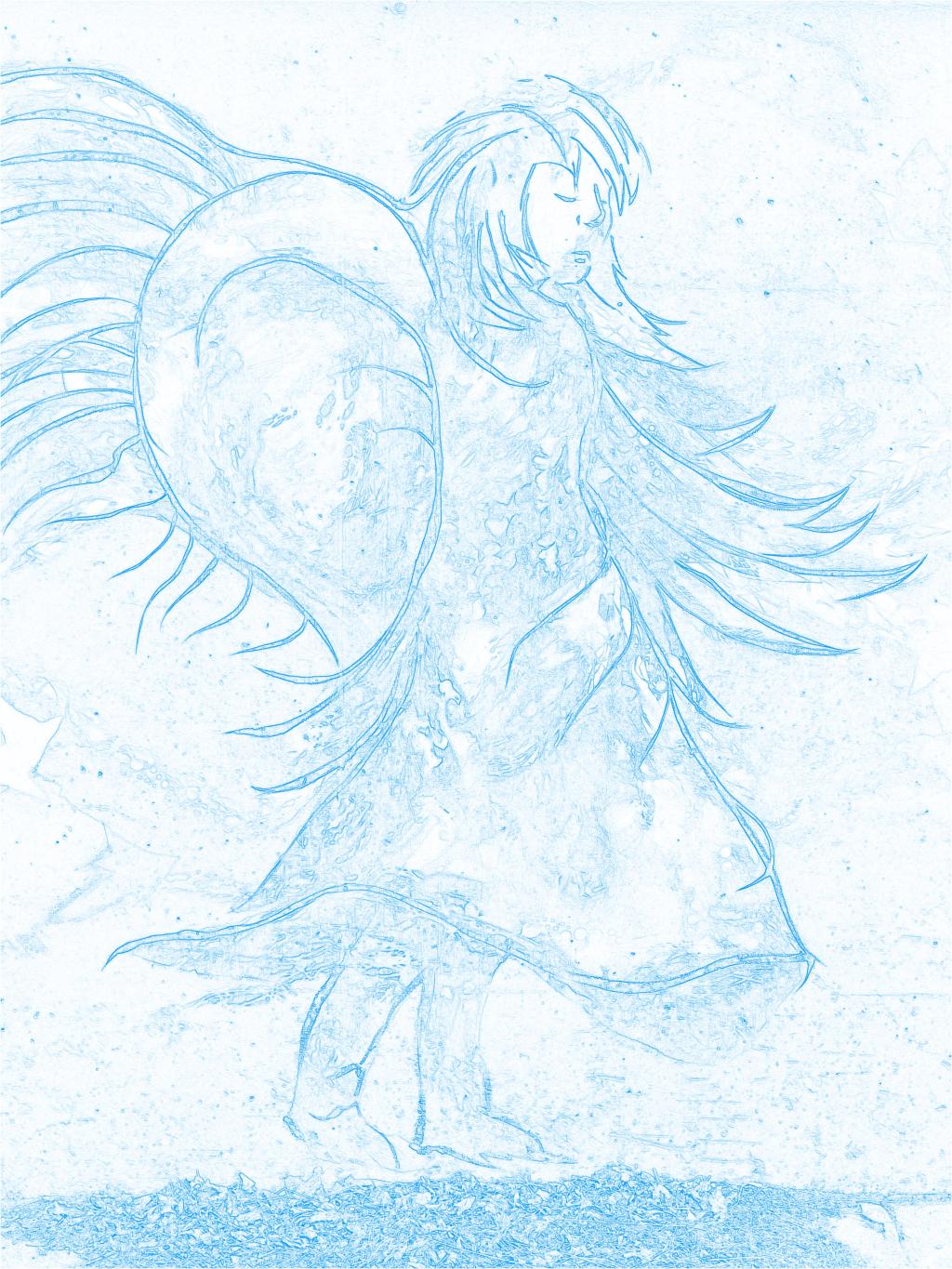
2015, I retire from the fire department after a 25 year career. I’m a little wobbly, a little dented, feeling the fraying from fires, from frequency of compassion- given, to others.
I lean in hard to the self-study of resilience. I mean, the art and science of resilience. I wanted to know from the researchers studying resilience how good men and women do well after bad events, after a series of unfortunately bad events.
Mindfulness Based Mind-Fitness Training by Dr. Elizabeth Stanley (Georgetown) was my first work. A week of mind-body work in Oracle, Arizona. I learned the basics of mindfulness and how to listen to my body and how I was feeling and sometimes why I was feeling the way I was.
Then, Dr. Ann S. Masten at the University of Minnesota and her Massive Open Online Course through Coursera titled, “Resilience in Children Exposed to Trauma, Disaster, and War: Global Perspectives.” I went hard in this course. I had time, I was interested, and I learned a lot about resilience from one of the original researchers in the field of resilience research.
Finally, I got on a plane, a metal disk skipping through the sky on the clouds, and headed to Halifax, Nova Scotia for the Pathways to Resilience III: Beyond Nature vs. Nurture conference, a major international conference on resilience hosted by the Resilience Research Center at Dalhousie University. I wanted to sit in the same room with the leaders in resilience study and learn from them.
I listened to Dr. Bruce Ellis, University of Arizona, speak on pathways to resilience. I wrote in my notes, “cumulative stress, toxic stress, allostatic load” in one column and next to it, “focused on impairment, what’s wrong with you, broken, need fixed.”
It’s allostatic load I want to come back to today, 12 years later. I have thought a lot about alligators, agitators, and allostatic load since that conference. (Just having fun with alliteration and word flow, don’t read into alligators and agitators). The word, the concept, the meaning- as I understand- of “allostatic load” has taken on new meaning for me after losing Cooper nearly three years ago.
My wife and I talk a lot about allostatic load at the dinner table. It’s riveting conversation. I also riff on allostatic load in my support group meetings, sharing my understanding of the word and definition.
If it’s easier, let’s set the word allostatic load down for a moment, like a backpack, let’s take it off our shoulders and set it down, rest our neck, shoulders, and back. I feel lighter already. You?
Legendary fire chief Dennis Compton used to talk about the invisible backpacks firefighters carry during their careers. As a firefighter, you get an invisible backpack when you graduate from the fire academy. No, nobody sees it, it’s invisible! But you get one, whatever color you like.
As the fire department years tick tock by and time marches on and on, you get to pick up stones and add them to your backpack. That child drowning, yep, bend over, pick up a rock and place it in your invisible backpack. All the bad calls, the calls in the third drawer you don’t share with anybody- well, maybe a few other firefighters from time to time- you bend over and pick up rocks, collecting them, as time marches on and on.
And those wretched assholes you have to work with over the years, they place rocks in your backpack without you having too much say about it. You know the assholes I speak of, every organization has a few of them and, fuck them for loading my backpack when I already have all the rocks I need, thank you very much!
I am waxing, but here’s what I would like to say. As a bereaved parent, I am carrying a heavy allostatic load, an invisible backpack, that nobody sees. Allostatic load, in my own words, and as I understand the word and concept, is the heavy life load some of us carry and ain’t but a few people even stop to notice or consider it.
When you are carrying a heavy load every day, you get tired more quickly, short or breath when others are just fine. Your back hurts, your neck hurts, you feel it in your bones. Are any of my readers familiar with the Rack Hold in Kettlebells? It’s like that, everyday, all day, tick tock, as time marches on and on.
I’m thinking of the many people who grow up in abusive homes, living in poverty, surrounded by crime. This person shows up to work and meetings and parties with a smile on their bright, shining face, ready to work or whatever, game on, and we don’t know the invisible allostatic load they are carrying. I bet if I got closer and looked into their eyes I could see it. I do that now, I see it. I don’t see dead people, I see sad people.
Allostatic load = invisible backpack full of rocks you carry every day, makes it easy for your knees to buckle, and nobody sees it or understands it, unless they see sad people too.
My wife and I, our bereaved parent friends, bereaved siblings, we get up every day and get after it. One leg off the bed, then two. Sit there for a moment. Deep breath, exhale, then ass off the mattress. You’re moving. You’re a fucking champ, for real, just for getting that ass off the mattress.
And no, you don’t have to put on your backpack, it’s already there on your shoulders. Oh, you sleep with it too.
I left support group this past Tuesday. It’s 8:30 at night and I am standing under these giant elm trees talking to another father who lost his son to suicide, about the same age as Coop, and he says to me, “I feel like I am wearing a backpack I can’t take off and put down.” I said, “that’s allostatic load, brother.” His face crinkled up. As I said, riveting.
Anyway, he is carrying a backpack and this is called allostatic load in resilience science.
We are almost three years in and, the truth is, I am genuinely doing good. I am not doing great and I am not doing terrible. I have a sharper edge about me in this season of life, and I think this will pass as I continue to wrestle with grief and work things out. But it is true that my allostatic load, my backpack, is heavier than most people’s.
I know you don’t see it, but listen, if you lost a child, you would not be over it in three years, let alone this lifetime. If you see me wobbling in the knees, look into my eyes, cut me a little slack, and come at me with compassion, bro.
 Endure
Leave a comment